CMOS & CCD Cameras
- Home /
- CMOS & CCD Cameras
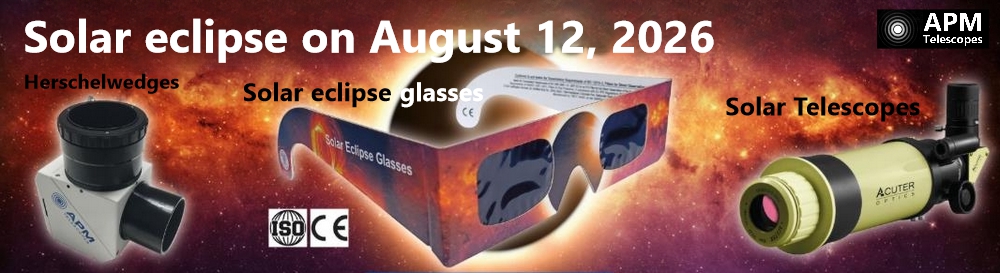
On the evening of August 12, 2026, an extraordinary celestial event is on the horizon: A total solar eclipse will pass over parts of Europe—though not over Germany.
Here in Germany, we will experience an impressive partial eclipse, which will nonetheless offer a rare and spectacular sight. Germany will be entirely within the Moon’s penumbra. As a result, the sun will not be completely, but clearly and visibly “nibbled away.”
What do you need to safely observe the solar eclipse? You can find a list 👉 here!
---------------------------------------------------- ----------------------
CCD / CMOS Astrofoto Photography
For the successful hunt for celestial objects you will find the electronic aids here: sensors, OAG, accessories and important filters. A wide selection is available.
![Svbony 605cc, gekühlte SONY IMX533 Sensor Farb-Kamera für Astrofotografie [F9198K]](https://www.apm-telescopes.net/images/thumbs/0655794_svbony-605cc-gekuhlte-sony-imx533-sensor-farb-kamera-fur-astrofotografie-f9198k_640.jpeg "Svbony 605cc, gekühlte SONY IMX533 Sensor Farb-Kamera für Astrofotografie [F9198K]")
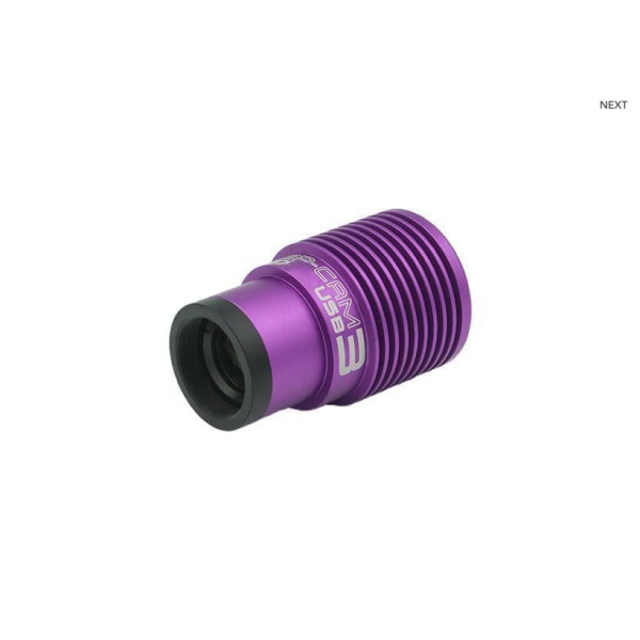
- SC 2210 Mono CMOS Sensor
- 1920 x 1080 pixel resolution:
- 4 um Square Pixels
- 1/1.8-inch Optical Format
- 12-bit ADC
- 512mb DDR3 Memory
- G Sensitivity: 20100mv/lux*s
- Low Noise: : 0.47 to 3.2e-
- Fast Frame Rate 50 FPS in 8bit mode
- Binning from 1x1 to 8x8 in either stacking or averaging modes.
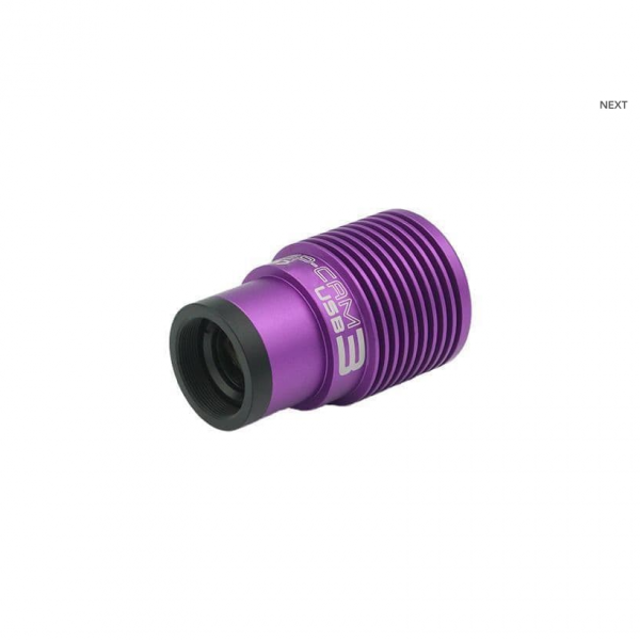
- SC 2210 Colour CMOS Sensor
- 1920 x 1080 pixel resolution:
- 4 um Square Pixels
- 1/1.8-inch Optical Format
- 12-bit ADC
- 512mb DDR3 Memory
- G Sensitivity: 20100mv/lux*s
- Low Noise: : 0.47 to 3.2e-
- Fast Frame Rate 50 FPS in 8bit mode
- Binning from 1x1 to 8x8 in either stacking or averaging modes.
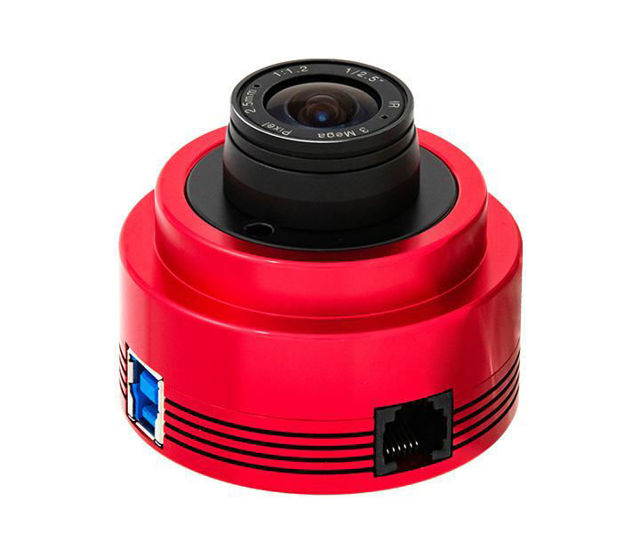
The camera offers a very high resolution and can be used for lunar and planetary photography, EAA and also for deep sky astrophotography.
- Sensor: 1/1.8" CMOS IMX678 with 8.29 megapixels resolution
- Sensor size: 7.68 mm x 4.32 mm - diagonal: 8.86 mm
- Extremely high resolution: 2.0 µm pixel size
- SONY STARVIS 2 technology - back illuminated pixel technology
- With approx. 83% QE a high sensitivity for short exposure times
- USB 3.0 for fast download of images
- Very low readout noise (from 0.6 e-)
- Well suited for EAA due to high frame rate of 47.5 fps
- 12 bit ADC
- No more amp glow detectable
- Passive cooling with heat dissipation against heating of the sensor during long time exposures
- Good suitability for deep sky imaging
- Rich field lens (removable) included in scope of delivery
- AR protection filter built in with full transmission also in infrared
- ST4-level autoguiding interface included
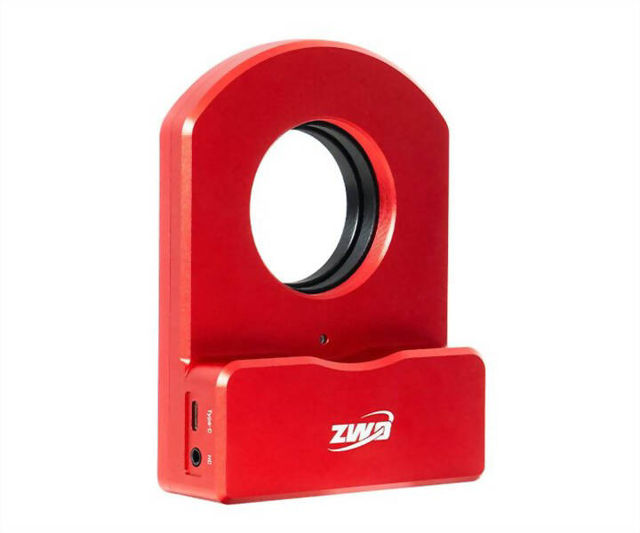
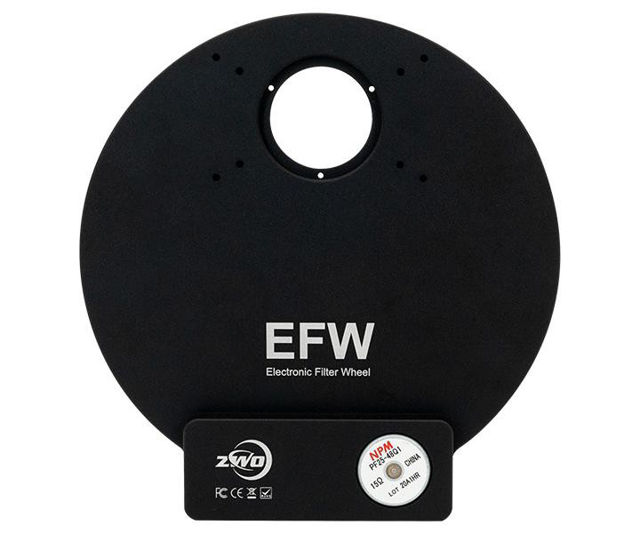
The motorized 360° rotator enables the optimal camera position to the object - also ideal for remote astrophotography
Thread telescope side - M54x0.75 Thread camera side - M54x0.75 and M48x0.75 Overall length - 16.5 mm Weight only 465 grams supported by ASI Air, ASI Studio and ASCOM
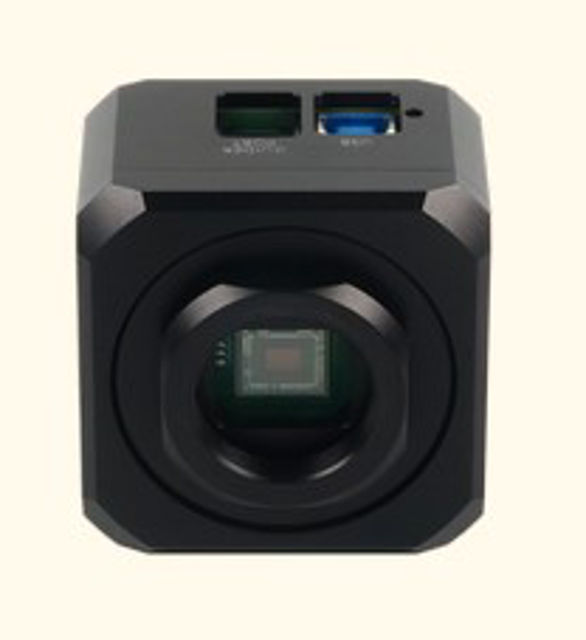
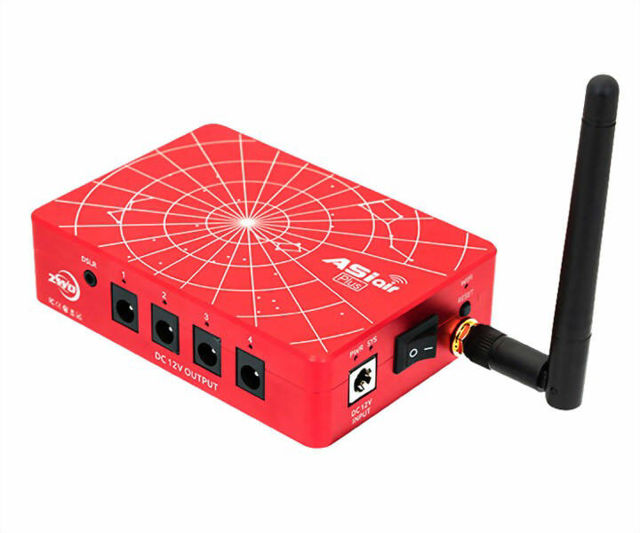
Complete control of your camera, autoguider and automatic tracking of your mount via your smartphone or tablet Large memory capacity of 256 GB Wireless control - no tangled wires between mount, camera and computer Standalone autoguider function in combination with a suitable camera like the ASI120Mini - ideal for all astrophotographers with DSLR, no more need for a computer in the field Image preview and focusing assistance in real time for convenient and precise focusing Debayer for all ASI color astro cameras with image processing Almost all mounts are supported, e.g. Skywatcher or iOptron ASIAIR works with iOS and Android operating system Simple to use and interface with clearly arranged surface ASIAIR supports also DSLR cameras and mirrorless system cameras Finder bracket is included in the scope of delivery, so ASIAIR can be mounted on the telescope instead of a finder. The microSD card slot of the previous versions has been removed. You can use USB memory sticks or transfer the data to a computer via the USB-C port.
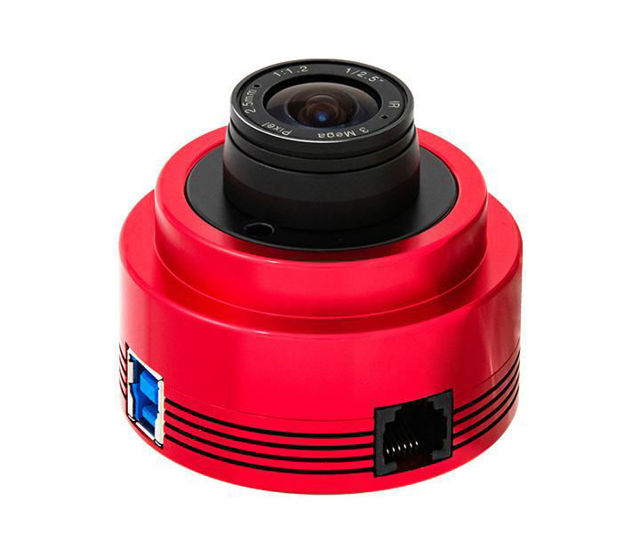
The camera offers a very high resolution and can be used for lunar and planetary photography, EAA and also for deep sky astrophotography.
- Sensor: 1/1.8" CMOS IMX678 with 8.29 megapixels resolution
- Sensor size: 7.68 mm x 4.32 mm - diagonal: 8.86 mm
- Extremely high resolution: 2.0 µm pixel size
- SONY STARVIS 2 technology - back illuminated pixel technology
- With approx. 83% QE a high sensitivity for short exposure times
- USB 3.0 for fast download of images
- Very low readout noise (from 0.6 e-)
- Well suited for EAA due to high frame rate of 47.5 fps
- 12 bit ADC
- No more amp glow detectable
- Passive cooling with heat dissipation against heating of the sensor during long time exposures
- Good suitability for deep sky imaging
- Rich field lens (removable) included in scope of delivery
- AR protection filter built in with full transmission also in infrared
- ST4-level autoguiding interface included
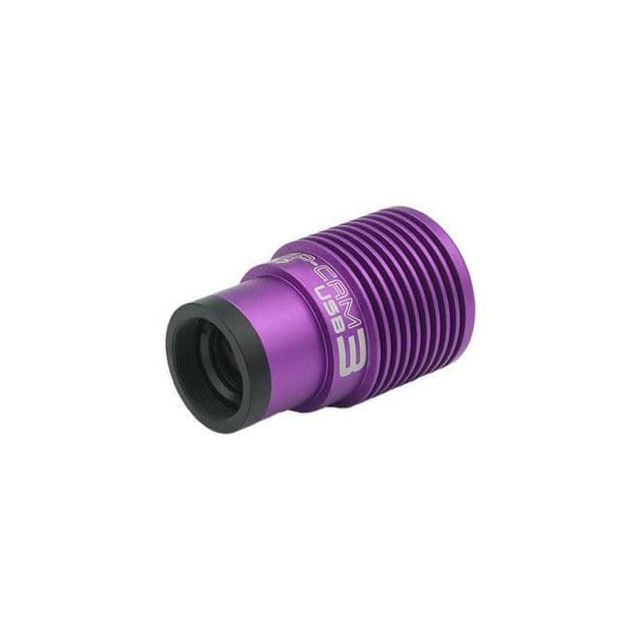
Feature summary Altair 678M CMOS Camera:
- IMX678 Starvis 2 CMOS Sensor
- On-chip HGC and LCG Support
- 3840 x 2160 pixel resolution:
- 2 um Square Pixels
- 1/1.8-inch Optical Format
- 12-bit ADC
- 512mb DDR3 Memory
- G Sensitivity: 3637mv
- Low Noise: 0.42 to 2.43e-
- Fast Frame Rate 47 FPS in 8bit mode
- Binning from 1x1 to 8x8 in either stacking or averaging modes.
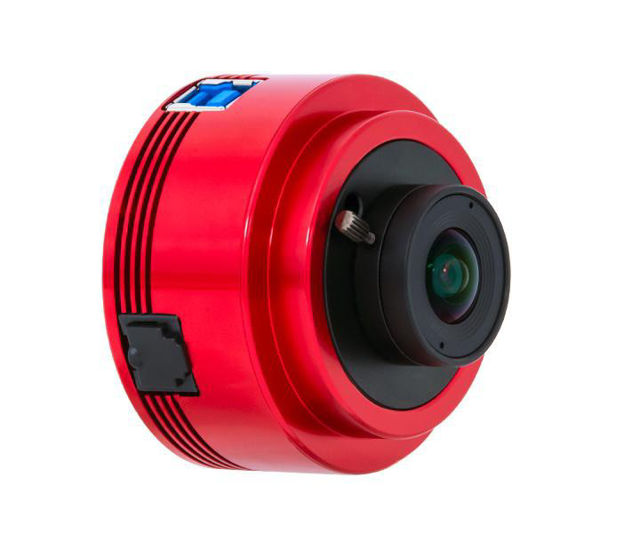
Powerful monochrome astro camera with very fast Sony 2.1 megapixel sensor - with autoguiding connector
- Powerful BW camera for lunar and planetary photography and for deep-sky photography
- Highly sensitive in the infrared range - helps to suppress bad seeing
- Resolution 2.1 MP - 1936 x 1096 PX
- Pixel size 2.9 µm
- Sensor: 1/2.8" CMOS IMX462 with very high quantum efficiency (sensitivity) and low readout noise
- DDR Memory Buffer 256 MB - buffer for a more stable data transport
- Includes 2.1 mm all-sky lens for spectacular overview shots - with T2 connection thread
- Maximum 136.1 fps (frames per second) at full resolution
- Short download time through USB 3.0
- Extremely compact - only 62 mm x 36 mm
- Autoguiding connector (ST-4)
- AR protection filter built-in - full transmission even in infrared
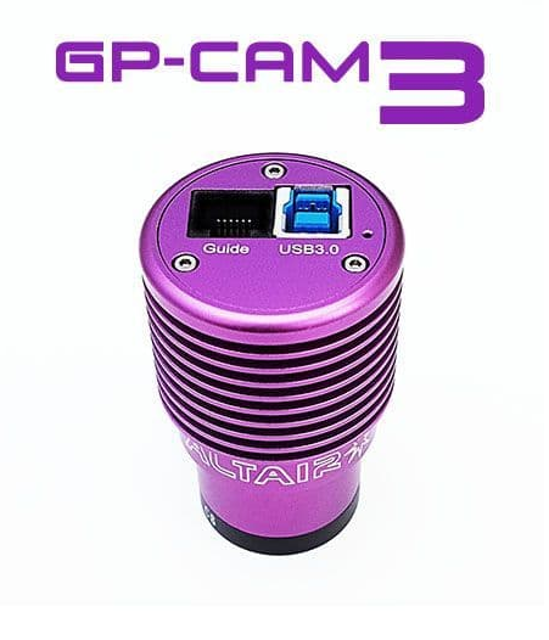
Feature summary Altair 678C CMOS Camera:
- IMX678 Colour Starvis 2 CMOS Sensor
- On-chip HGC and LCG Support
- 3840 x 2160 pixel resolution:
- 2 um Square Pixels
- 1/1.8-inch Optical Format
- 12-bit ADC
- 512mb DDR3 Memory
- G Sensitivity: 3637mv
- Low Noise: 0.42 to 2.43e-
- Fast Frame Rate 47 FPS in 8bit mode
- Binning from 1x1 to 8x8 in either stacking or averaging modes.
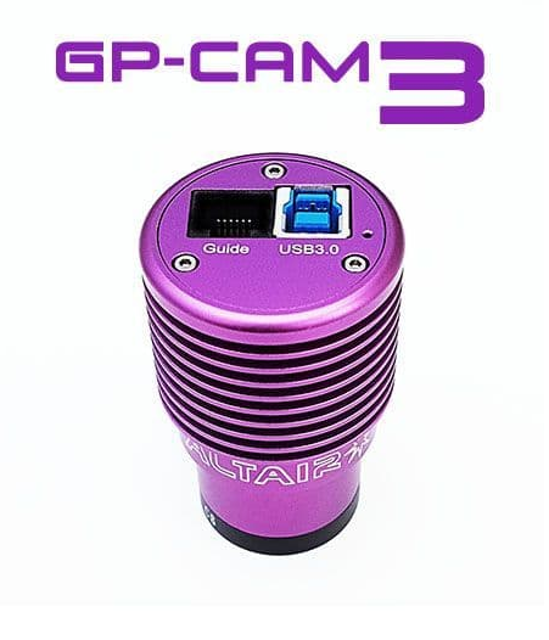
Feature summary Altair 678C CMOS Camera:
- IMX678 Colour Starvis 2 CMOS Sensor
- On-chip HGC and LCG Support
- 3840 x 2160 pixel resolution:
- 2 um Square Pixels
- 1/1.8-inch Optical Format
- 12-bit ADC
- 512mb DDR3 Memory
- G Sensitivity: 3637mv
- Low Noise: 0.42 to 2.43e-
- Fast Frame Rate 47 FPS in 8bit mode
- Binning from 1x1 to 8x8 in either stacking or averaging modes.
The camera offers a very high resolution and can be used for lunar and planetary photography, EAA and also for deep sky astrophotography.
- Sensor: 1/2.8" CMOS IMX662 mono with 2.1 megapixels resolution
- Sensor size: 5.568 mm x 3.132 mm - diagonal: 6.45 mm
- Very high resolution: 2.9 µm pixel size
- SONY STARVIS 2 technology - back illuminated pixel technology
- With approx. 91% QE a high sensitivity for short exposure times
- USB 3.0 for fast download of images
- Very low readout noise (from 0.8 e-)
- Very well suited for EAA due to high frame rate of 107 fps
- 38 ke- full well
- 12 bit ADC
- No more amp glow detectable
- Passive cooling with heat dissipation against heating of the sensor during long time exposures
- Good suitability for deep sky imaging
- Rich field lens (removable) included in scope of delivery
- AR coated protection filter built in with full transmission also in infrared
- ST4 level autoguiding interface included
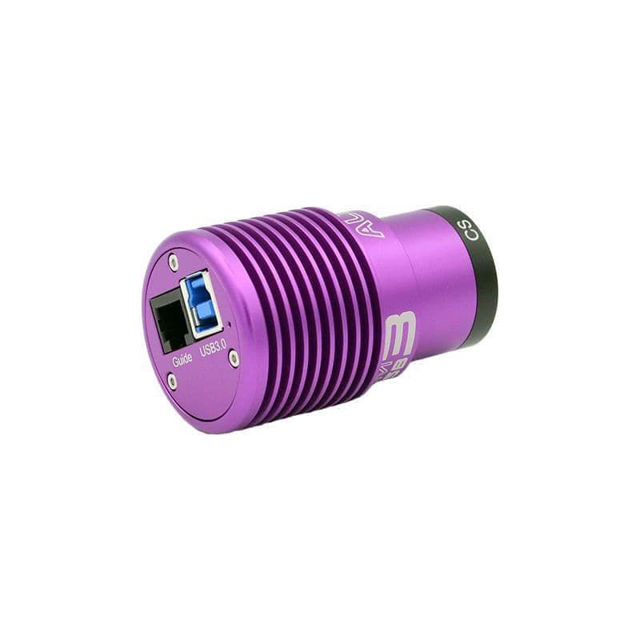
Feature summary Altair 664C CMOS Camera:
- IMX664C Colour CMOS Sensor
- On-chip HGC, LCG and HDR Support
- Resolution: 2688 x 1520 (4.1mp)
- 2.9 um Square Pixels
- Diagonal 9.02 mm (Type 1/1.8 Optical Format)
- 12-bit ADC
- 512 Mbyte Memory
- Sensitivity: 2000 m V or more per 1 µm2
- Low Noise: 6.2 – 0.69 e-
- High Frame Rate 97 FPS @ 2688*1520 8bit mode
- Binning from 1x1 to 8x8 in either stacking or averaging modes.
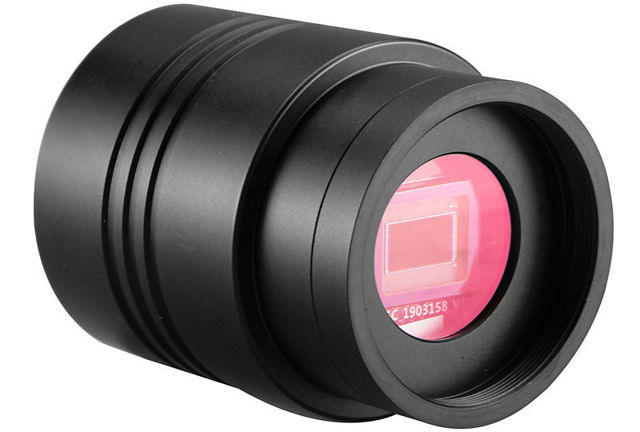
Compact design, 8.3 megapixels, Sony IMX585 sensor, passive cooling
- Sony IMX585 back-illuminated colour CMOS sensor
- Resolution: 8.3 megapixels (3840 x 2160 pixels)
- Pixel size: 2.9 μm x 2.9 μm
- Sensor area: 11.2 mm x 6.3 mm
- 1/1.2-inch sensor format
- Telescope mounting thread: T2 x 0.75 mm
- 12-bit ADC
- 512 MB memory
- G sensitivity: 5970 mV at 1/30 s
- Low noise: 6.86 to 1.08e-
- Supports high frame rates (44 FPS at 8-bit pixel readout)
- Max SNR: 43.4 dB
- Dynamic range: 75.4 dB
- Back focus distance: 12.5 mm
- Capture system: Still images and video
- Passive cooling
- Dimensions: Diameter 55 mm, height 67.5 mm
- Weight: 140.5 g
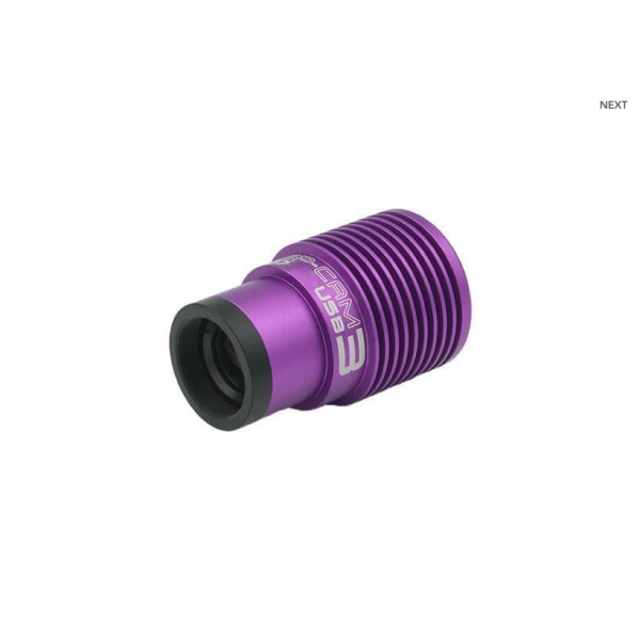
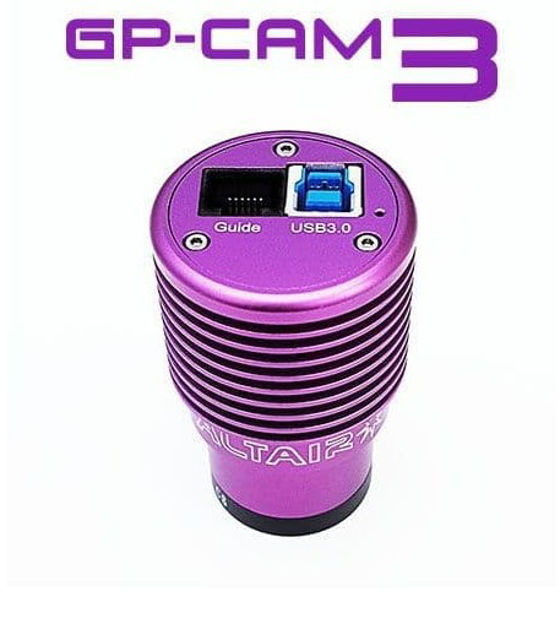
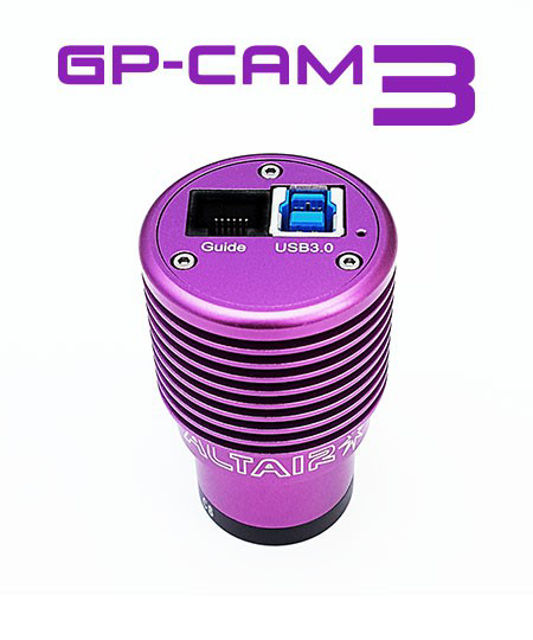
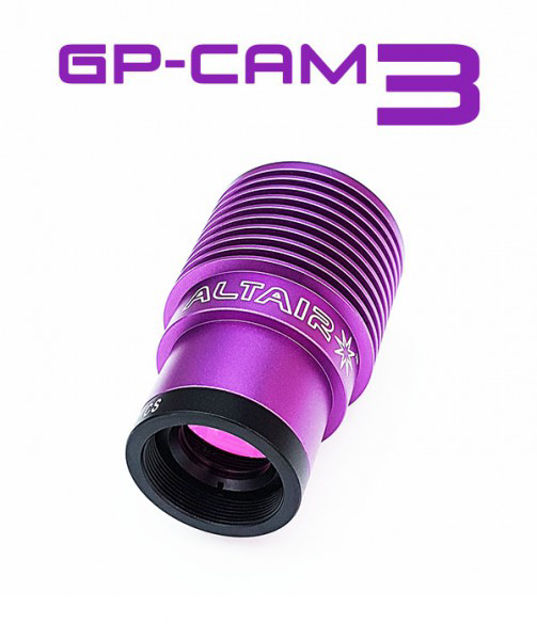
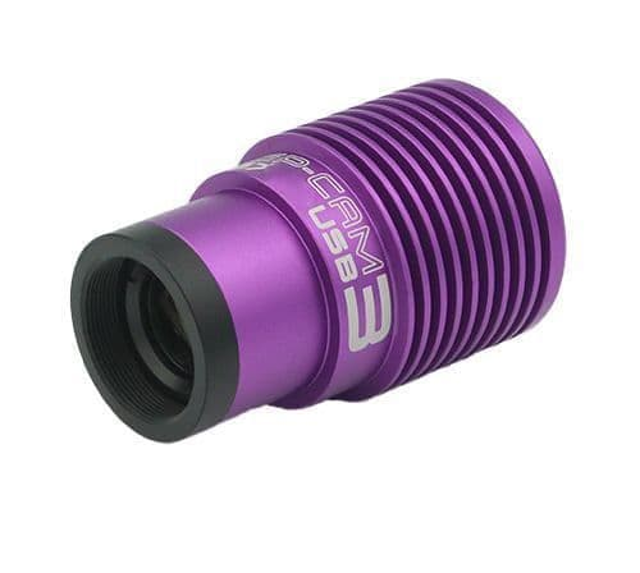
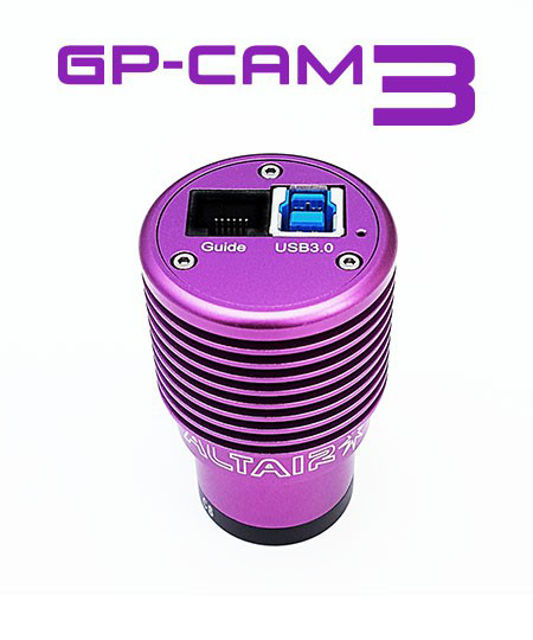
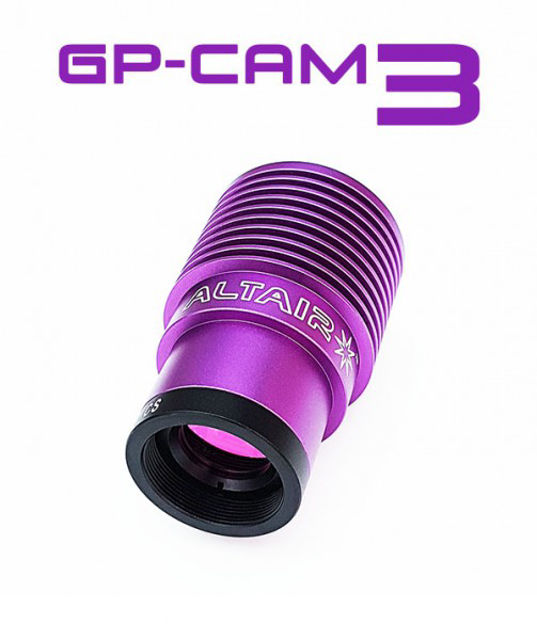
Feature summary GPCAM3 462C:
- 1920 x 1080 Resolution
- 2.9 um Square Pixels
- 1/2.8-inch sensor format
- 5.57mm x 3.13mm sensor size
- Low Read Noise: 0.49 to 2.1e-
- High Frame Rate 152 FPS 8 bit
- 12-bit ADC
- Binning from 1x1 to 8x8 in either stacking or averaging modes.
- 8.3mp sensor with 1.45 micron pixels
- 7.7mm x 4.3mm active sensor area.
- Low read noise, approx. 1.35 - 0.57 electrons (e-) or better.
- Saturation (full well) capacity approx. 6.0Ke- electrons (e-)
- High Dynamic Range with 12 bit ADC for high image quality in both light and dark (high contrast) areas.
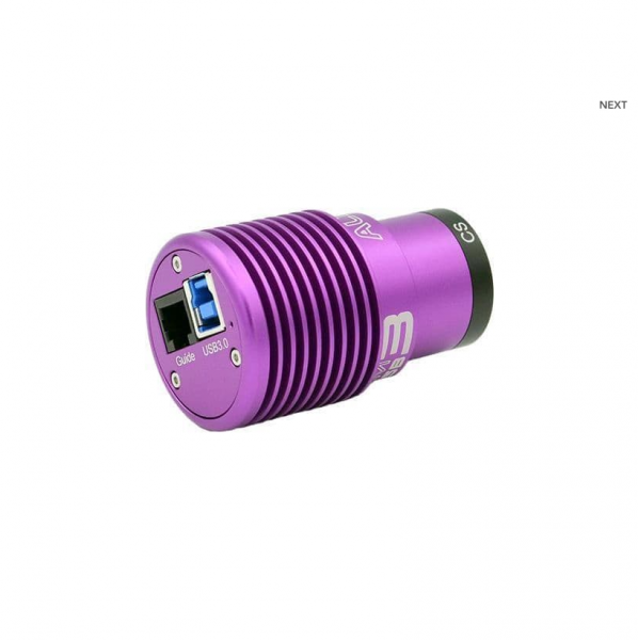
Feature summary Altair 662C CMOS Camera:
- IMX662 Colour CMOS Sensor with on-chip HGC, LCG and HDR Support
- Resolution: 1920 x 1080
- 2.9 um Square Pixels
- 1/2.8-inch Optical Format
- 12-bit ADC
- 512 Mbyte Memory
- G Sensitivity: 5612mv with 1/30s
- Low Noise: 0.46 to 5.35e-
- High Frame Rate 47 FPS 8 bit
- Binning from 1x1 to 8x8 in either stacking or averaging modes.
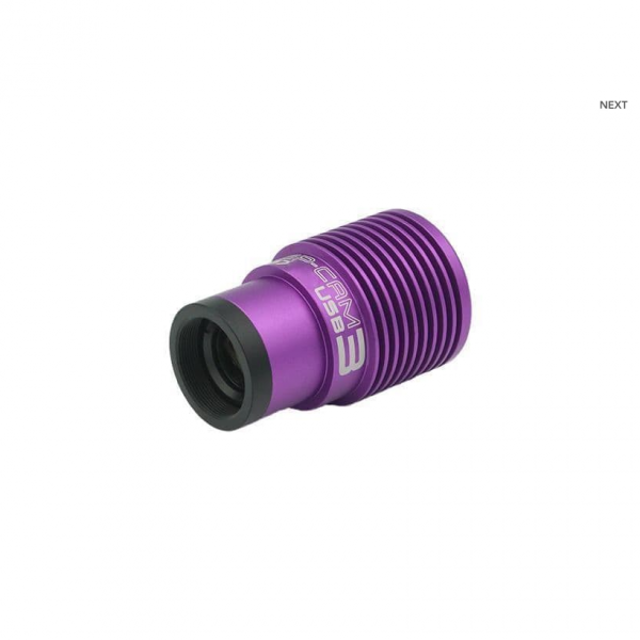
Feature summary GPCAM3 462M:
- 1920 x 1080 Resolution
- 2.9 um Square Pixels
- 1/2.8-inch sensor format
- 5.57mm x 3.13mm sensor size
- Low Read Noise: 0.49 to 2.1e-
- High Frame Rate 152 FPS 8 bit
- 12-bit ADC
- Binning from 1x1 to 8x8 in either stacking or averaging modes.
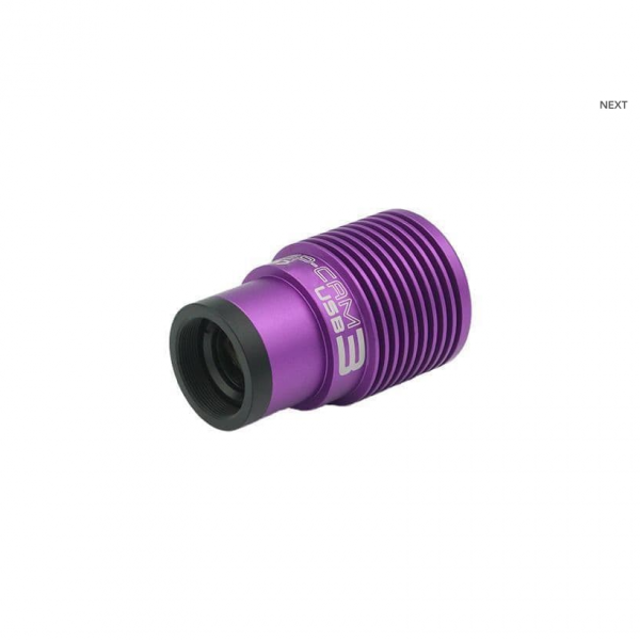
Feature summary GPCAM3 462C:
- 1920 x 1080 Resolution
- 2.9 um Square Pixels
- 1/2.8-inch sensor format
- 5.57mm x 3.13mm sensor size
- Low Read Noise: 0.49 to 2.1e-
- High Frame Rate 152 FPS 8 bit
- 12-bit ADC
- Binning from 1x1 to 8x8 in either stacking or averaging modes.
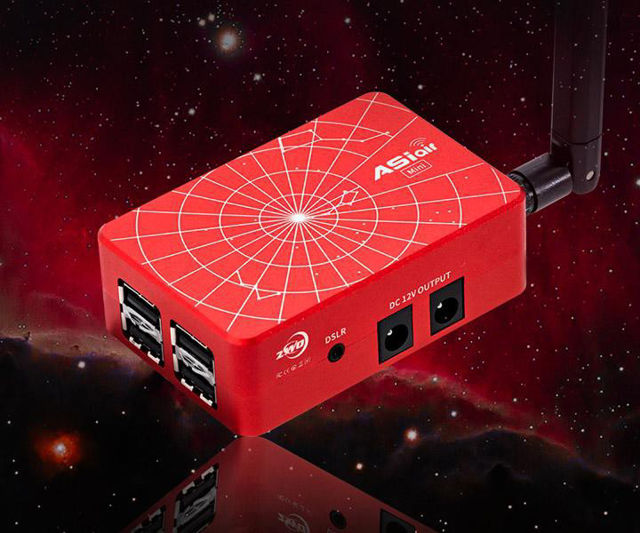
ASIAIR Mini allows control of all ASI USB 3.0, ASI Mini cameras, selected DSLR and mirrorless cameras, and mounts via smartphone or tablet.
- Complete control of your camera, autoguider and automatic tracking of your mount via your smartphone or tablet
- Wireless control - no tangled wires between mount, camera and computer
- Standalone autoguider function in combination with a suitable camera like the ASI120Mini - ideal for all astrophotographers with DSLR, no more need for a computer in the field
- Image preview and focusing assistance in real time for convenient and precise focusing
- Debayer for all ASI color astro cameras with image processing
- Almost all mounts are supported, e.g. Skywatcher or iOptron
- ASIAIR works with iOS and Android operating system
- Simple to use and interface with clearly arranged surface
- ASIAIR supports also DSLR and mirrorless cameras
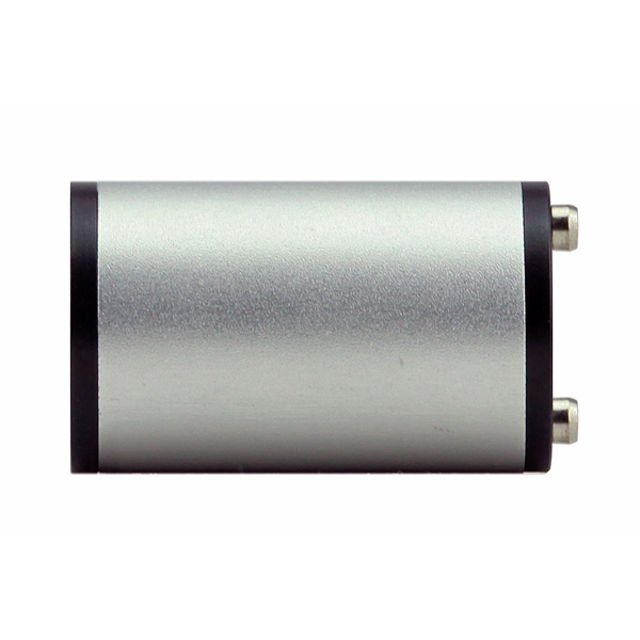
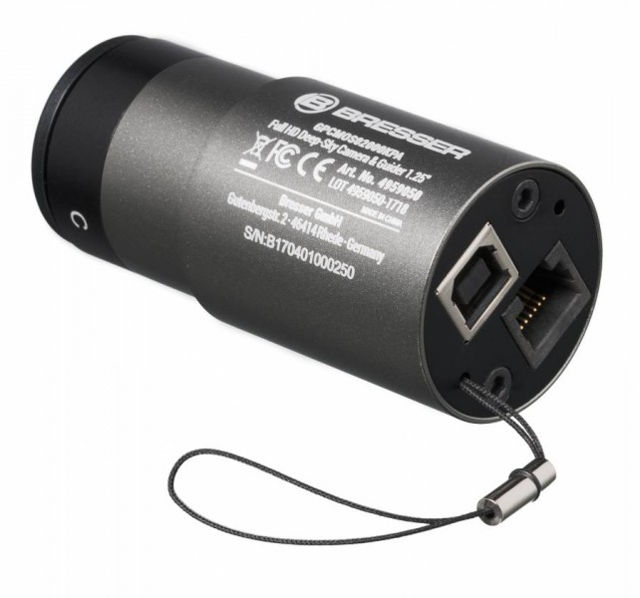
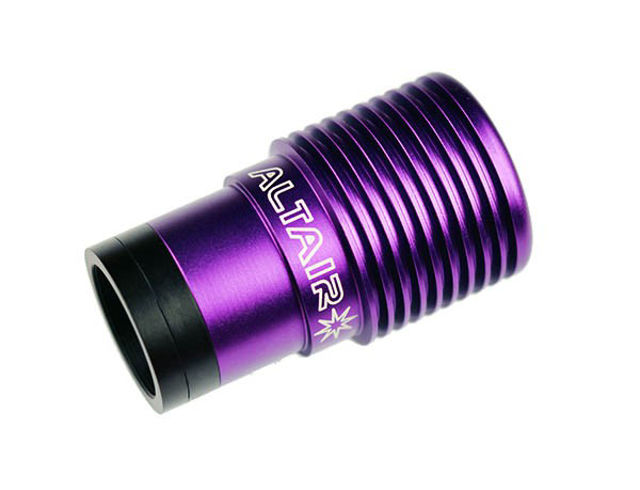
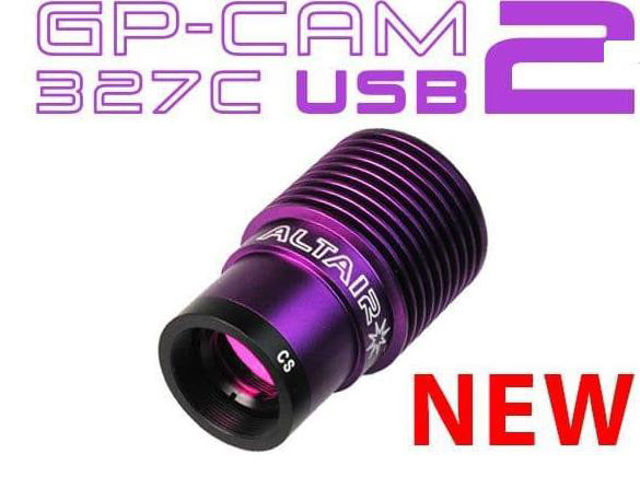
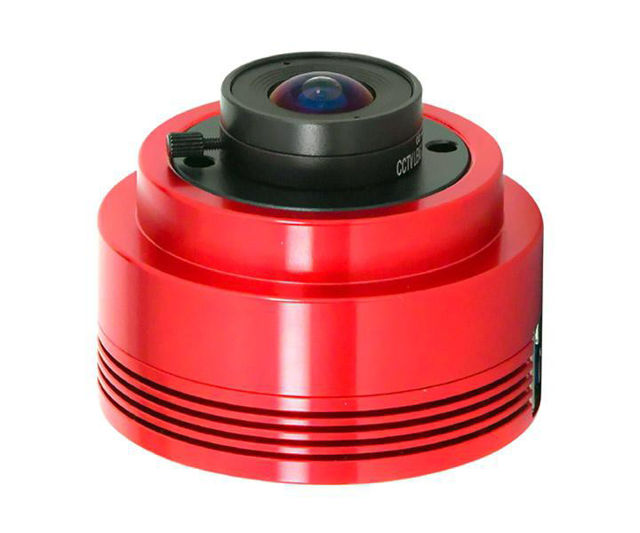
The camera offers an extremely high resolution and is optimized for lunar and planetary photography without additional Barlow directly in the focus of the telescope.
- Sensor: 1/28" CMOS IMX715 with 8.46 megapixel resolution
- Sensor size: 5.6 mm x 3.2 mm - Diagonal: 6.45 mm
- Extremely high resolution: 1.45 µm pixel size
- SONY STARVIS 2 technology - back illuminated pixel technology
- With approx. 80 % QE a high sensitivity for short exposure times
- Ideal for moon and planets but also for small deep-sky objects and high-resolution microscope photography
- USB 3.0 for fast image download
- Low readout noise (from 0.72 e-)
- Well suited for EAA due to high frame rate of 45.1 fps
- 12 bit ADC
- No more amp glow detectable
- Passive cooling with heat dissipation to prevent the sensor from heating up during long exposures
- Wide field lens (detachable) included in scope of delivery
- AR protection filter built in with full transmission even in the infrared band
- Including ST4-level autoguiding interface